
The Invisible Problem Living in Many Hampstead Homes
Walk into most Hampstead homes and the carpets look immaculate. Vacuum lines, no stains, no obvious dust.
Yet the person living there keeps sneezing.
It’s surprisingly common. The carpet isn’t dirty — it’s loaded.
Request availability and get a free estimate today.
Why a clean-looking carpet can still cause problems
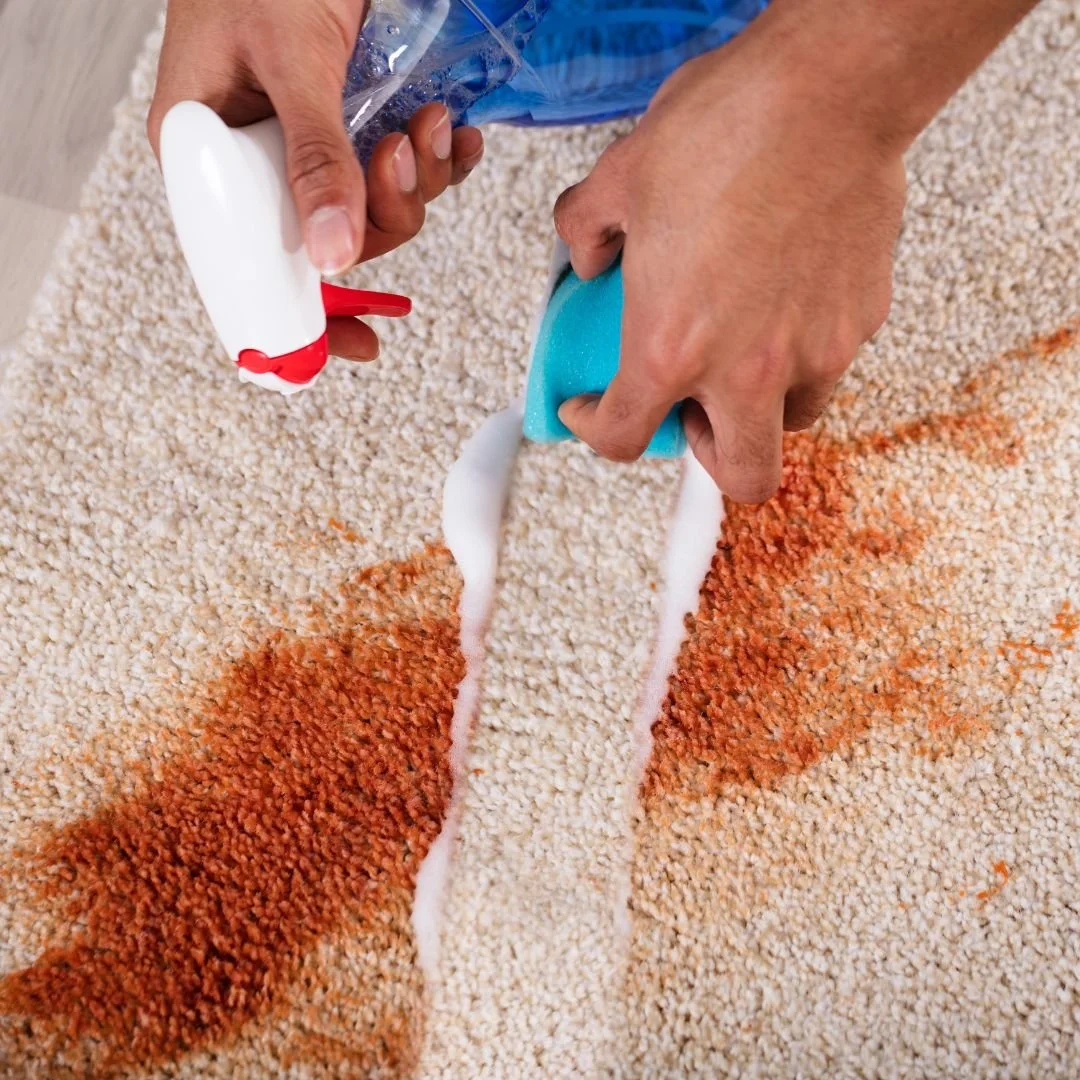
Carpets behave a bit like a sponge and a filter at the same time. They trap particles floating around the house so they’re not constantly in the air. That sounds helpful… until they build up.
After months (sometimes years), the carpet stops trapping and starts releasing.
Every footstep, chair movement, or child playing on the floor sends fine particles back up again.
That’s where hidden allergens in carpets quietly affect how a home feels to live in.
Why Hampstead homes experience this more often
Leafy streets, parks, open windows — lovely lifestyle, but higher pollen levels.
Add to that:
period houses with heavier fabrics
• wool carpets and rugs
• pets moving between garden and indoors
• rooms that don’t ventilate evenly
You end up with perfect storage conditions for allergens.
People often blame “London air” or seasonal hay fever, but symptoms keep happening indoors — which is the clue.
The symptoms people don’t connect to flooring
Most households don’t suspect the carpet at first. The reactions feel random.
Look for patterns:
sneezing shortly after sitting in the living room
• coughing at night but fine outdoors
• itchy eyes when children play on the floor
• worse reactions in the morning
These are classic indoor air quality symptoms, especially when they improve outside the house.
The particles actually living in carpets
Not everything is visible. In fact, the smallest things cause the biggest reactions.
Dust mites
Many people react to dust mites in carpet without ever seeing them. Bedrooms and stairs are prime areas because they stay warm and undisturbed.
Pets
Even very clean homes still have pet dander in carpets. It spreads far beyond where pets sleep and settles deep into fibres.
Outdoor pollen
In green neighbourhoods, it comes in on shoes and clothing and stays put in soft flooring.
Moisture-related spores
Spills and humidity can lead to carpet mould spores, especially in corners or under furniture where airflow is low.
What most people try first (and why it only partly works)
Usually the response is: vacuum more often.
That absolutely helps — but it mainly deals with surface dust.
The deeper layer stays compacted. Over time, the carpet basically becomes a storage reservoir.
So you clean… feel better briefly… then symptoms come back.
That cycle is typical when hidden allergens in carpets are the root cause.
The quick take — what homeowners often miss
The carpet isn’t the problem because it’s dirty.
It’s the problem because it’s been doing its job too well for too long.
What professionals actually look at before cleaning
A proper cleaner doesn’t just start washing.
They’ll usually check:
fibre type (wool behaves differently)
• dye stability
• wear patterns
• moisture retention
• previous cleaning history
This matters especially in Hampstead homes where carpets are often expensive and sensitive.
Why depth of cleaning matters
To actually remove allergens, the process needs to rinse them out — not just loosen them.
That’s why many services rely on professional hot water extraction.
It reaches below the visible surface and lifts what normal equipment can’t.
When should you consider booking a deep clean?
You don’t need obvious dirt. In fact, most bookings happen when everything looks fine but doesn’t feel fine.
Typical triggers:
recurring sneezing indoors
• odours returning quickly
• dust reappearing within days
• children reacting during floor play
• asthma irritation at home only
At that point, arranging Carpet Cleaning in Hampstead is less about appearance and more about comfort and health.
FAQ
Can my carpet really affect allergies that much?
Yes. Carpets hold particles that get released during daily movement. The reaction happens repeatedly indoors.
Why do symptoms improve when I leave the house?
Because the source stays behind — a strong sign of hidden allergens in carpets.
Do wool carpets hold more allergens?
They trap particles very effectively. Good for air initially, but they require deeper cleaning occasionally.
How often should carpets be deep cleaned?
Most homes: yearly.
Homes with pets, children, or allergies: roughly every six months.
Will cleaning damage delicate carpets?
Not when the correct method is chosen for the fibre type and condition.
Is vacuuming useless then?
Not at all — it slows buildup. It just doesn’t remove compacted allergens.
Bottom Line
Many Hampstead homes don’t have dirty carpets — they have overworked ones.
When hidden allergens in carpets build up, the home stops feeling fresh no matter how often you tidy.
Go For Cleaning approaches this as a comfort issue, not just a cosmetic one. A proper deep clean removes what daily cleaning leaves behind and restores how the space actually feels to live in.
Sometimes the biggest improvement in a home isn’t visible — it’s breathable.