
Is Upholstered Furniture Making Allergies Worse?
Are you or someone in your home suffering from sneezing, itchy eyes, or breathing problems? If yes, then you might blame pollen, pets, or the changing seasons. But what if the real issue is hiding in plain sight? Your sofa, armchairs, and other fabric furniture could be making your allergies worse without you realizing it.
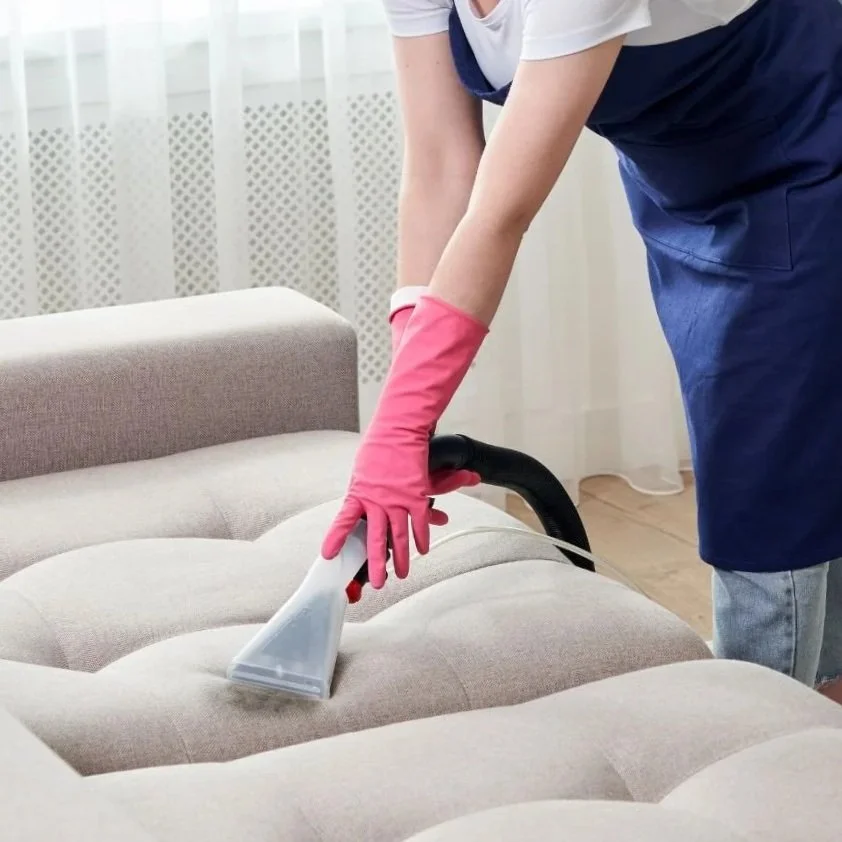
Upholstered furniture seems like a giant sponge in your home. Over time, it absorbs dust, pollen, pet dander, and mould spores. Every time you sit down or plump a cushion, those allergens are released back into the air that you breathe.
How Allergens Build Up in Your Furniture?
In the cleanest homes, allergens slowly accumulate. Vacuuming the floors and wiping surfaces helps, but fabric furniture absorbs particles deep inside the fibers where regular cleaning is unable to reach.
The common allergy triggers found in furniture include:
Dust mites and their waste
Pet hair and dander
Pollen carried in from outside
Mould spores from moisture in the air
Bacteria from everyday use
These harmful particles don’t just sit there. Every movement on your sofa or chair sends them back into the air. That’s why allergy symptoms often get worse when you’re relaxing at home.
How Does Furniture Affect Your Health?
Most people don’t connect their symptoms to their furniture. However, there are some clear warning signs that you need to watch for.
You might notice:
Sneezing or coughing when sitting on the sofa
Itchy or watery eyes in the living room
A musty or dusty smell coming from furniture
Allergy symptoms that improve when you leave the house
More issues at night when using upholstered headboards or chairs in bedrooms
If any of these sound familiar, your furniture could be a hidden source of irritation.
Why Vacuuming Alone Is Not Enough?
Vacuuming is helpful, but it only eliminates the surface dirt. Most household vacuums are unable to reach deep into the padding and lower layers of fabric where allergens live and multiply.
Dust mites thrive in warm and soft materials like sofas and armchairs. Without deep cleaning, their numbers continue to grow; if your furniture looks clean on the outside.
Spills, humidity, and daily moisture in the air can create the perfect environment for bacteria and mould to develop inside the cushions.
How Often Should You Clean Your Furniture?
Most homes should consider a professional deep clean once every 6 to 12 months. However, you may require it more often if:
You have pets.
Someone in your home has asthma or allergies.
You have young children.
Your furniture gets heavy from daily use.
Between professional cleans, regular vacuuming, good ventilation, and fast attention to spills can keep allergen levels under control.
How to Reduce Allergens at Home?
You can take a few extra steps to protect your health:
You can vacuum furniture weekly using an upholstery attachment.
You need to open windows regularly to improve airflow.
You can use washable throws or covers.
You can keep pets off fabric furniture if possible.
You can control humidity to prevent mould growth.
Final Consideration
If your allergies seem worse at home than anywhere else, your furniture could be part of the issue. Clean, fresh upholstery helps you breathe better.
Considering regular deep cleaning is about creating a healthier, more comfortable living space for you and your family. When seeking upholstery cleaning in Bromley, please contact Go For Cleaning today at 020 846 08 928.